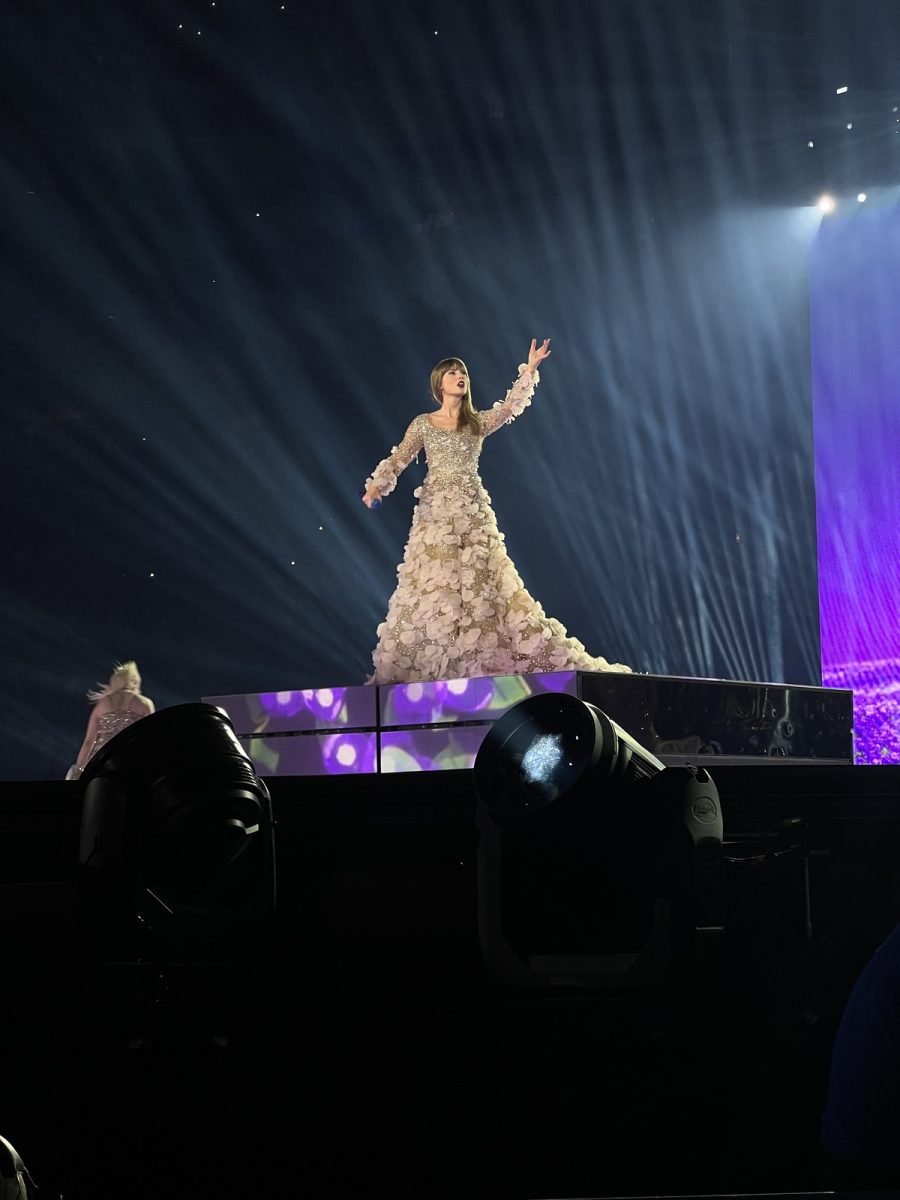
Numbers don't do the Eras Tour justice, but they're a starting point. Three and a half hours. Forty-four songs. Ten distinct eras of Taylor Swift's career, each with its own costumes, staging, and emotional register. The show is, by any reasonable measure, the most ambitious concert production in recent memory.
But what makes it work isn't the scale. It's the specificity. Every era transition is deliberate. The shift from the glittering excess of the Reputation section to the soft, pastoral Folklore segment isn't just a costume change — it's a mood change, a lighting change, a complete reset of the room's emotional temperature.
Swift has always been a songwriter who understands that the details are the story. The Eras Tour is that sensibility applied to live performance at the largest possible scale.
She has built a show that doesn't just celebrate her catalog — it makes you feel every chapter of it.
Swift is a better live performer than she gets credit for. The discourse around her tends to focus on the songwriting, the cultural phenomenon, the business acumen — and all of that is warranted. But watching her work a stadium for three and a half hours, it becomes clear that the performance itself is the product of years of refinement.
She is in constant motion without ever seeming frantic. She makes eye contact with the upper deck. She knows when to let the crowd carry a chorus and when to pull the microphone back and let them have it entirely. These are skills, and she has them.
The surprise songs — two acoustic performances unique to each show — were the emotional peak of the night. The crowd had no idea what was coming, and the reaction when the first chords landed was something between a scream and a gasp.
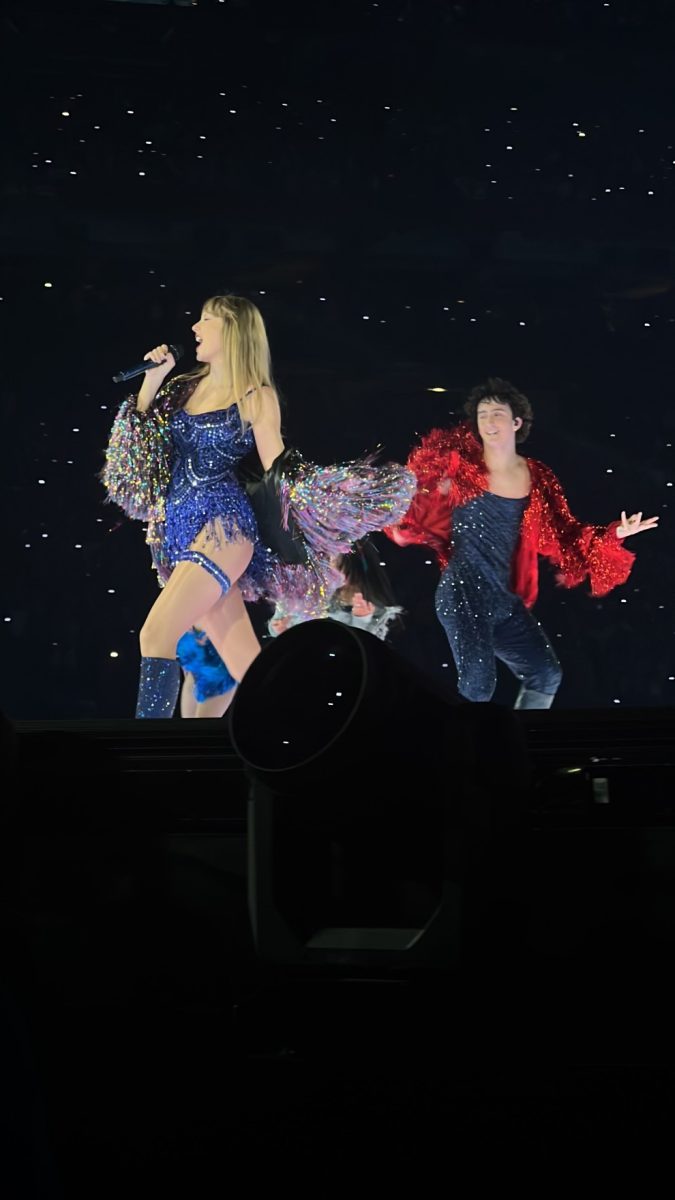
The Eras Tour is not just a concert. It is a three-and-a-half-hour argument for why Taylor Swift is one of the most significant artists of her generation — made not through critical consensus or streaming numbers, but through the simple act of being in a room with 70,000 people who know every word.
If you have a ticket, you already know. If you don't, the film is the next best thing. But the film can't replicate the feeling of being in that room when the lights go down and the crowd starts to scream.