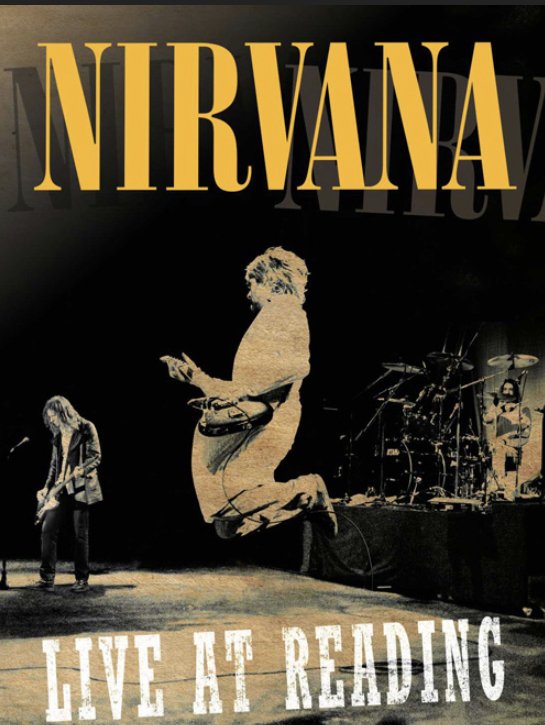
By the summer of 1992, Nirvana was the biggest band in the world and, according to a significant portion of the music press, possibly finished. Kurt Cobain's health was a subject of constant speculation. The band had canceled several tour dates. Rumors circulated that they might not even make it to Reading.
They made it to Reading. And what happened on that stage on August 30, 1992 became one of the most mythologized moments in rock history — not because it was the most technically perfect performance, but because of what it meant in context.
Cobain walked out in a wheelchair, pushed by a roadie, wearing a hospital gown. He pretended to collapse. Then he stood up, put on his guitar, and the band launched into "Breed." The crowd, which had been holding its breath, lost its mind.
Kurt Cobain walked out in a wheelchair, pretended to collapse, then stood up and played one of the greatest sets in festival history.
The Live at Reading album, released in 2009, captures what followed: ninety minutes of Nirvana at their most ferocious and, paradoxically, most joyful. The band tears through their catalog with an energy that belies the chaos surrounding them. Cobain's voice is raw and present. Krist Novoselic and Dave Grohl are locked in.
"Lithium" is the centerpiece — a version that starts with Cobain forgetting the words, laughing, and starting over, then building into something that sounds like the whole festival is singing along. Because it was. The crowd noise on the recording is not incidental; it is part of the performance.
"Smells Like Teen Spirit" closes the main set, and the version here is different from the record in a way that matters. It's faster, angrier, and somehow more desperate — like a band that knows this song has already escaped them and is playing it anyway, on their own terms.
What makes Live at Reading endure is not nostalgia, though nostalgia is part of it. It's the specificity of the moment it captures. This is a band under enormous pressure, performing for an audience that wasn't sure they'd show up, and turning the whole thing into a statement.
Thirty years later, the recording sounds like a document of something that couldn't have happened any other way. The wheelchair entrance, the forgotten lyrics, the crowd that knew every word — all of it is part of the same story. It's the story of a band that, for one afternoon in a field in England, was exactly as good as they needed to be.